
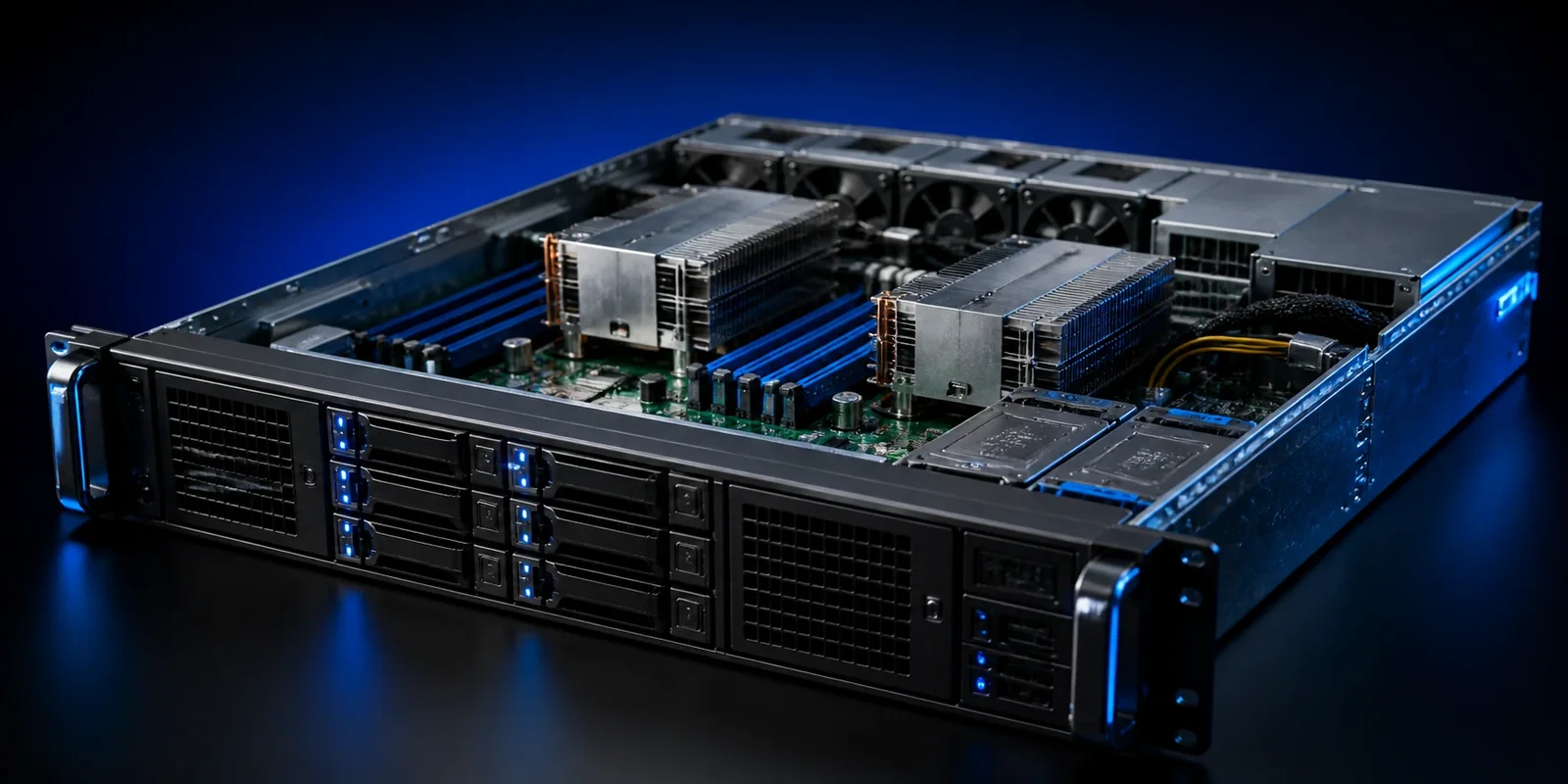
Dedicated server: what it is, what it costs and when you need one.
· 4 min read
With shared hosting you share the server with other sites; with a VPS you get a guaranteed slice of it. At some point, some businesses need more: a dedicated server, meaning an entire physical machine running nothing but what you put on it. Below you will find what a dedicated server is, how it differs from a VPS and the cloud, what renting one costs and when it is worth it.
What a dedicated server is
A dedicated server is a powerful computer, mounted in a data center, rented in full to a single customer. The processor, memory, drives and network card are yours alone. The provider takes care of power, cooling, the internet connection and replacing faulty parts, and you get full root access and install whatever you need.
Dedicated server, VPS or cloud?
- VPS — a virtual machine on a shared server; guaranteed resources, but limited to part of the machine.
- Cloud server — a virtual machine on a group of servers, which stays up when one of them fails.
- Dedicated server — the whole physical machine; the most power on a single server and complete isolation from other customers.
When you need a dedicated server
- you have very high traffic or heavy databases that outgrow a VPS;
- you run applications that need a lot of processor and memory: ERP, B2B platforms, game or processing servers;
- you have strict isolation requirements and don't want to share hardware with anyone;
- you host dozens of sites and want to manage them on a single machine;
- you need special system configurations or licenses tied to hardware.
What official guides say about server security
A dedicated server gives you full control, but also full responsibility. The US NIST institute's server security guide, SP 800-123, recommends a few basic rules: install only the services you need, apply security updates on time, limit administrative access and watch the server logs. If you don't have someone to do this, choose a managed dedicated server.
What a dedicated server costs
The price depends on the processor, memory and storage, but also on what the service includes: administration, backups, licenses and bandwidth. When you compare offers, look at:
- the number of cores and the processor generation;
- the RAM and the type of drives (SSD or NVMe);
- the connection — port speed and whether traffic is unmetered;
- the uptime in the contract and who steps in during a fault;
- what is included: backup, administration, control panel.
Dedicated servers at RDN Network Data
Our dedicated servers sit in our own data center in Romania and start at €55.09 per month, with 8 Xeon vCores, 15 GB of RAM and 1 TB of SSD. The large plans go up to 160 vCores, 512 GB of RAM and 4 TB on SSD or NVMe. All of them have a 1 Gbps port, unmetered traffic, full root access, backup included and 99.80% uptime in the contract.
You choose Linux or Windows Server, cPanel or VirtualMin, and if you want, we manage it for you: updates, firewall, DDoS protection, Apache and MySQL. If you prefer your own server rather than a rented one, we offer colocation.
Frequently asked questions about dedicated servers
What is the difference between a dedicated server and a VPS?
On a VPS you get part of a shared physical server. With a dedicated server you rent the whole machine, so all its power is yours.
Can I install any operating system?
Yes. You get full root access and can use Linux or Windows Server, with the software and control panel you choose.
Who takes care of server administration?
You, if you have the necessary skills, or the provider, if you choose a managed dedicated server.
What happens if a part breaks?
The provider replaces the faulty part. What matters is the uptime written into the contract and having backups, so you don't lose data.
In short
A dedicated server is the right choice when you need the full power of a machine and complete isolation. Write to us about what you run and we will tell you whether you need a dedicated server or a VPS or cloud server is enough.
Official sources
Read next
· 9 min
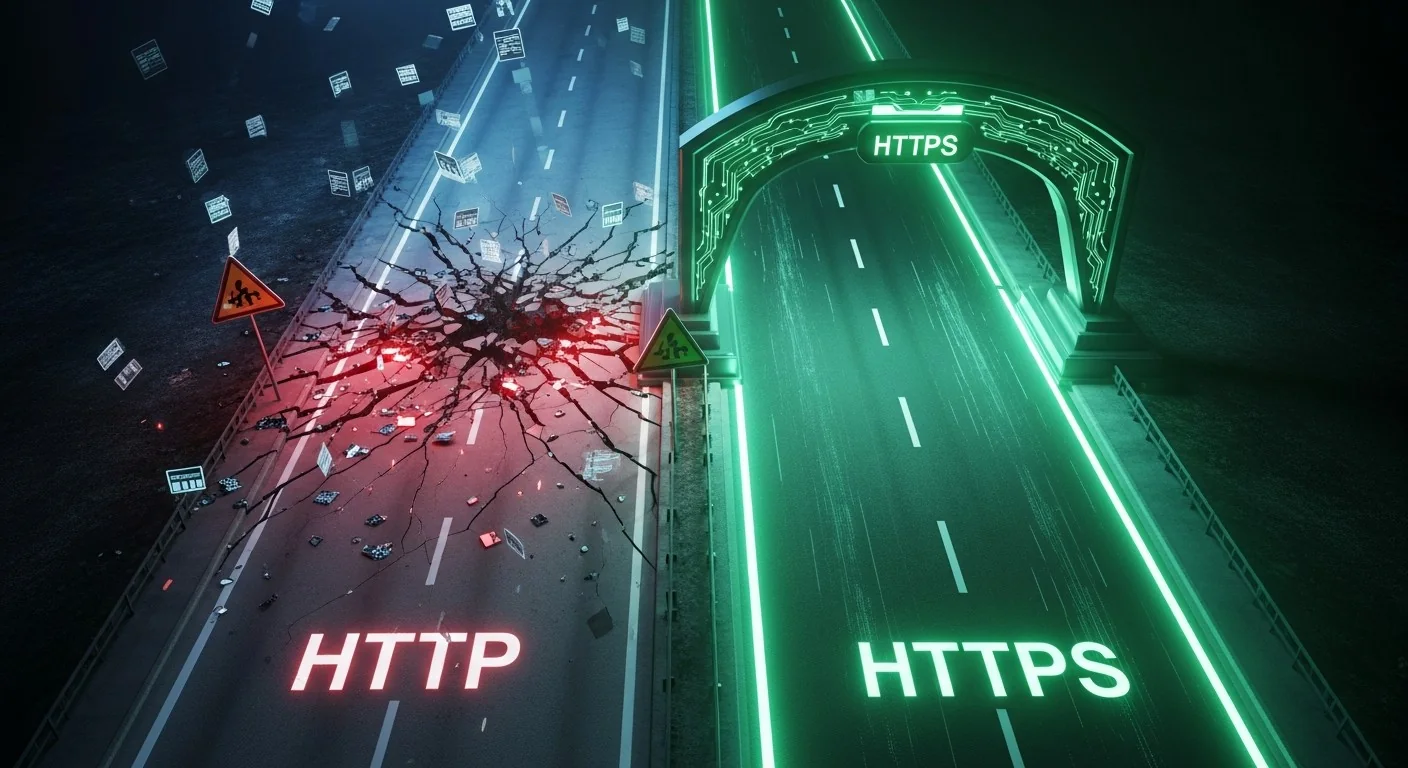
SSL certificate: what it is, why you need HTTPS and how to choose one
Without an SSL certificate, browsers mark your site “Not secure”. See what an SSL certificate does, how HTTP differs from HTTPS and how to choose between DV, OV and EV.
Read the article
· 6 min
What shared hosting is and when it suits you
Shared hosting splits one server between several sites to bring the price down. See what you get, where the limits are and how to choose the right plan.
Read the article
· 4 min
Server colocation: what it is and why to move your server to a data center
Colocation means your server sits in a professional data center, with redundant power, cooling and internet. See what colocation is and when it beats a server kept at the office.
Read the article